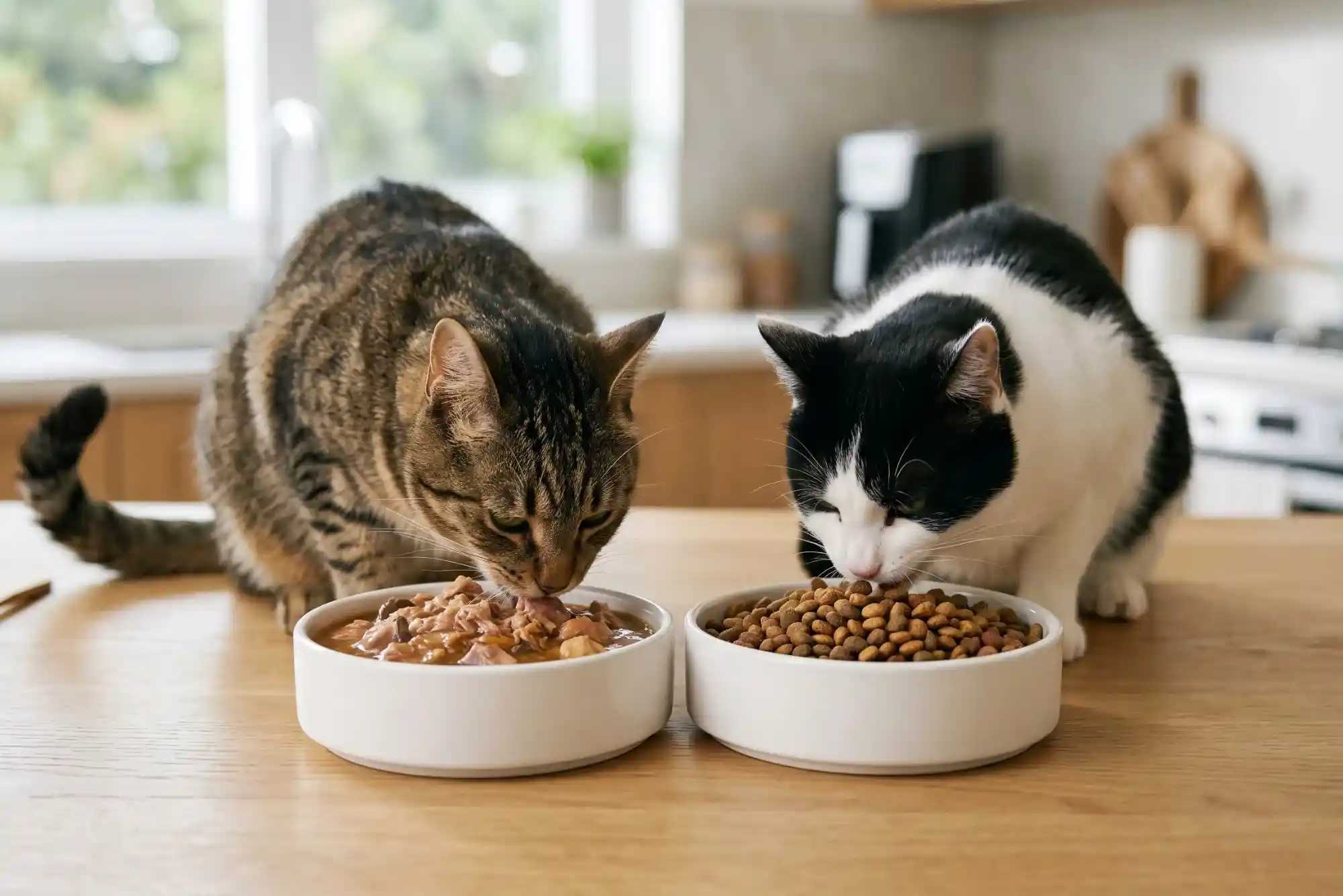
Feline Hyperthyroidism: Weight Loss with Increased Appetite Symptoms and Treatment
Feline Hyperthyroidism: Weight Loss with Increased Appetite Symptoms and Treatment is an important topic for anyone caring for an older cat. Hyperthyroidism is one of the most common hormonal disorders affecting senior cats. It develops when the thyroid glands produce excessive amounts of thyroid hormones.
One of the most recognizable signs is an unusual combination of weight loss and increased appetite. A cat may eat more than usual while becoming noticeably thinner. However, other symptoms can develop gradually, making the condition easy to overlook.
Fortunately, feline hyperthyroidism is usually manageable when diagnosed promptly. Veterinary testing can confirm the condition, while appropriate treatment can restore hormone balance and improve quality of life.
What Is Feline Hyperthyroidism?
Feline hyperthyroidism occurs when the thyroid glands become overactive. The thyroid glands sit in the neck and regulate metabolism through thyroid hormones.
In most affected cats, benign enlargement of thyroid tissue causes excessive hormone production. Cancerous thyroid tumors are uncommon but can occur.
Excess thyroid hormone speeds up many body processes. Consequently, affected cats burn calories rapidly, even when they consume plenty of food.

This explains why weight loss with increased appetite is such a classic feature. The cat’s metabolism is essentially running faster than normal.
Understanding Feline Hyperthyroidism: Weight Loss with Increased Appetite Symptoms and Treatment helps owners recognize this unusual combination before other complications develop.
Why Does Hyperthyroidism Cause Weight Loss and Increased Appetite?
A healthy thyroid helps regulate metabolism. When thyroid hormone levels become excessive, metabolism increases significantly.
The cat therefore uses more energy throughout the day. It may feel hungrier because its body demands additional calories.
Despite eating more, the cat may continue losing body fat and muscle. Some cats lose weight gradually, while others become noticeably thin within several months.
The appetite can also vary. Some hyperthyroid cats eat normally, while others develop a strong and persistent appetite.
Therefore, unexplained weight loss should never be dismissed simply because a cat is eating well.
Common Symptoms of Feline Hyperthyroidism
Weight loss and increased appetite are important warning signs. However, hyperthyroidism can affect several body systems.
Increased Thirst and Urination
Some affected cats drink more water and urinate more frequently. These changes can occur because increased metabolism influences fluid balance.
They may also indicate kidney disease or diabetes. Therefore, veterinary testing is important.
Vomiting and Diarrhea
An overactive metabolism can affect the digestive system. Some cats develop vomiting, diarrhea, or unusually frequent bowel movements.
These symptoms can be occasional or persistent. Their presence alongside weight loss deserves veterinary attention.
Restlessness and Hyperactivity
Hyperthyroid cats may become unusually active or restless. A previously calm cat might pace around the house or struggle to settle.
Some cats also become more vocal. They may demand food or attention more frequently than before.
Rapid Heart Rate
Excess thyroid hormone stimulates the cardiovascular system. As a result, affected cats often have an abnormally fast heart rate.
Over time, this increased workload can contribute to heart problems. Early diagnosis can help reduce this risk.
Poor Coat Condition
The coat may become greasy, unkempt, or thinner. Cats that normally groom carefully may suddenly appear less well maintained.
This change is often easier to notice when combined with weight loss.
Muscle Loss
Hyperthyroidism does not only reduce body fat. It can also cause significant loss of muscle mass.
The spine, hips, and shoulders may become more prominent. Therefore, monitoring body condition is important.
How Veterinarians Diagnose Feline Hyperthyroidism
Diagnosis usually begins with a physical examination and medical history. The veterinarian may feel an enlarged thyroid gland in the neck.
Blood testing is typically required to confirm the diagnosis. Total thyroxine, commonly called T4, is an important initial test.
Some cats have borderline results despite showing clinical signs. In those cases, additional thyroid testing may be recommended.
Veterinarians may also perform blood chemistry, complete blood counts, urinalysis, blood pressure measurement, and other assessments.
These tests help identify complications and other diseases that can resemble hyperthyroidism.
A complete evaluation is particularly important because older cats can have multiple health conditions simultaneously.
Feline Hyperthyroidism: Weight Loss with Increased Appetite Symptoms and Treatment Options
Treatment aims to control excessive thyroid hormone production. Several approaches are available, and the best choice depends on the cat’s health and circumstances.
Antithyroid Medication
Medication can reduce thyroid hormone production. Methimazole is commonly prescribed for this purpose.
It may be given as tablets, liquid medication, or certain topical formulations. The veterinarian determines the appropriate treatment and dosage.
Regular blood tests are important during treatment. They help determine whether hormone levels are controlled and whether medication is causing unwanted effects.
Medication controls the condition but generally does not remove the abnormal thyroid tissue.
Radioactive Iodine Therapy
Radioactive iodine therapy is widely regarded as a definitive treatment for many cats.
The therapy targets abnormal thyroid tissue while causing minimal damage to healthy tissue. Because radioactive material is involved, treatment must occur at an appropriately licensed facility.
One major advantage is that many successfully treated cats no longer require lifelong antithyroid medication.
However, availability, cost, and facility requirements can affect whether this option is practical.
Surgery
Surgical removal of affected thyroid tissue can provide a permanent solution.
Thyroid surgery requires anesthesia and careful planning. This is particularly important for older cats with heart or kidney problems.
Potential complications include damage to nearby structures and problems involving the parathyroid glands.
A veterinarian should assess the cat’s overall health before recommending surgery.
Prescription Diet Therapy
Special therapeutic diets with restricted iodine can reduce thyroid hormone production in some cats.
For this approach to work properly, the cat generally needs to eat the prescribed diet exclusively. Treats, table foods, and other diets can interfere with dietary management.
This option may be useful for certain cats. However, it is not appropriate for every household or every patient.
Comparison of Common Treatment Options
| Treatment | Main Advantage | Main Consideration | Long-Term Approach |
|---|---|---|---|
| Antithyroid medication | Non-surgical and adjustable | Requires regular dosing and monitoring | Usually ongoing |
| Radioactive iodine | Often definitive | Requires specialized facility | Often one-time treatment |
| Surgery | Can remove abnormal tissue | Requires anesthesia and surgical expertise | Usually definitive |
| Iodine-restricted diet | Non-surgical | Must be fed exclusively | Ongoing |
The appropriate treatment depends on the cat’s age, kidney function, heart health, thyroid condition, household circumstances, and veterinary assessment.
Monitoring a Cat During Treatment
Treatment does not end when thyroid levels improve. Continued monitoring remains essential.
Veterinarians commonly repeat blood tests after treatment begins or after medication changes. The schedule depends on the treatment and the individual cat.
Owners should also monitor appetite, weight, drinking, urination, activity, vomiting, stool quality, and general behavior.
A sudden change should be reported to the veterinary team. Never adjust medication without professional guidance.
Weight is particularly useful to monitor. Regular measurements can reveal whether treatment is improving the cat’s nutritional status.
Hyperthyroidism and Kidney Disease
Hyperthyroidism can complicate kidney disease in older cats.
Increased blood flow through the kidneys can make kidney function appear better than it actually is. After thyroid hormone levels return toward normal, underlying kidney disease may become more apparent.
This does not mean hyperthyroidism treatment should be avoided. Instead, veterinarians monitor kidney function carefully during treatment.
A gradual and carefully monitored treatment plan may be appropriate for cats with concurrent kidney problems.
What Happens If Feline Hyperthyroidism Is Left Untreated?
Untreated hyperthyroidism can place significant stress on the body.
Persistent high thyroid hormone levels can contribute to heart disease, high blood pressure, muscle loss, and poor overall condition.
Some cats eventually become weak despite initially appearing energetic. Their quality of life can decline as complications progress.
Fortunately, early diagnosis provides more opportunities for effective management.
Owners who notice unexplained weight loss should arrange a veterinary examination, particularly when appetite has increased.
When Should You Contact a Veterinarian?
A veterinary appointment is appropriate when a cat shows unexplained weight loss or significant behavioral changes.
Prompt attention is especially important when weight loss occurs alongside increased appetite, excessive thirst, vomiting, diarrhea, restlessness, or rapid breathing.
Cats often hide illness effectively. Therefore, subtle changes can be meaningful.
Regular wellness examinations are also valuable for senior cats. Routine screening can identify problems before obvious symptoms appear.
Feline Hyperthyroidism: Weight Loss with Increased Appetite Symptoms and Treatment and Long-Term Care
Long-term care depends on the treatment selected. Cats receiving medication need consistent dosing and scheduled monitoring.
Cats treated with radioactive iodine may require follow-up testing to confirm successful treatment. Surgical patients also need postoperative observation and appropriate laboratory monitoring.
Nutrition remains important throughout recovery. A balanced diet can help the cat regain healthy body condition and muscle mass.
Environmental stability can also support recovery. Keep feeding routines consistent and provide easy access to water, food, resting areas, and litter boxes.
Veterinary Standards of Care can also help owners understand why consistent monitoring matters when managing chronic feline conditions.
How Can Owners Support Recovery?
Owners play an important role after diagnosis. Keep a record of body weight and noticeable symptoms.
Give medication exactly as prescribed. Avoid stopping treatment simply because the cat appears healthier.
Follow dietary instructions carefully if a therapeutic diet is recommended. Even small amounts of alternative food can undermine certain dietary treatment plans.
Ask the veterinary team when follow-up testing is required. Monitoring helps ensure that treatment remains appropriate over time.
Reliable educational resources, including Gccleadership, may provide additional general information, but veterinary advice should guide individual treatment decisions.
CatVets Feline Endocrine Disorders resources can also help owners understand endocrine conditions and the importance of professional evaluation.
Frequently Asked Questions About Feline Hyperthyroidism
Can a cat with hyperthyroidism gain weight?
Yes. Successful treatment often allows a cat to regain lost weight.
However, weight gain should be gradual and monitored. Persistent weight loss after treatment may indicate inadequate control or another underlying condition.
What are the symptoms of hyperthyroidism in cats?
Common symptoms include weight loss, increased appetite, increased thirst, increased urination, vomiting, diarrhea, restlessness, vocalization, and a rapid heart rate.
Not every cat develops all these signs. Some show only subtle changes.
How long can a cat live with hyperthyroidism?
Prognosis varies according to age, treatment, kidney function, heart health, and other diseases.
Cats that receive appropriate treatment can often have a substantially improved quality of life. Early diagnosis generally provides more opportunities for successful management.
Is feline hyperthyroidism painful?
Hyperthyroidism itself may not always cause obvious pain. However, complications involving the heart, blood pressure, muscles, or other organs can make a cat unwell.
A veterinarian should assess any cat showing persistent symptoms.
What happens if hyperthyroidism is not treated in cats?
Untreated disease can cause progressive weight and muscle loss. It can also increase cardiovascular strain and contribute to high blood pressure.
For this reason, suspected hyperthyroidism should receive veterinary evaluation.
Conclusion
Feline Hyperthyroidism: Weight Loss with Increased Appetite Symptoms and Treatment is especially relevant for owners of older cats. The combination of losing weight while eating more can be an important warning sign.
Other symptoms may include increased thirst, vomiting, diarrhea, restlessness, rapid heart rate, and poor coat condition. Fortunately, several effective treatment options are available.
Medication, radioactive iodine, surgery, and therapeutic diets each have potential benefits and limitations. The right choice depends on the individual cat and veterinary assessment.
If your cat is losing weight despite eating normally or more than usual, contact your veterinarian for an examination and appropriate testing. Early attention can make a meaningful difference in treatment success and quality of life.
Related Reading: Best Heavy Duty No-Pull Harnesses for Pitbulls, Boxers, and Strong Pullers
Related Reading: Pod Salt e-liquids: A UAE Bridge From IQOS and JUUL
Related Reading: نصائح للحفاظ على الجمال والأناقة في الحياة اليومية
Related Reading: المسح الأرضي: أفضل الممارسات — full guide