Introduction
Walking a powerful dog should feel controlled and predictable rather than like a constant battle. Pitbulls, Boxers, and other strong pullers can put considerable force through a leash, making an ordinary harness uncomfortable, difficult to control, or prone to shifting. Choosing one of the best heavy duty no-pull harnesses can make everyday walks safer and more manageable while giving your dog freedom to move naturally.
A good no-pull harness is not simply a piece of equipment designed to stop a dog from pulling. It should distribute pressure appropriately, provide secure attachment points, resist wear, and fit the dog’s body without rubbing or restricting normal movement. The right harness also works best when paired with positive-reinforcement training.
This guide explains what to look for when choosing heavy duty no-pull harnesses for strong dogs, how different designs work, and how to determine whether a particular harness is genuinely suitable for your dog.
What Makes the Best Heavy Duty No-Pull Harnesses Different?
A strong dog needs equipment designed for both strength and everyday comfort. Heavy-duty construction usually means stronger webbing, reinforced stitching, durable buckles, and leash attachment points designed to withstand repeated use.
However, maximum strength should not be the only consideration. A harness can be extremely durable and still be a poor choice if it rubs behind the front legs or restricts the shoulders.
The best heavy duty no-pull harnesses balance four important characteristics: security, control, durability, and comfort.

Strong Construction
Look for high-quality webbing and reinforced stress points. Metal or heavy-duty polymer hardware can provide dependable performance, but every component should work together rather than relying on one particularly strong buckle or ring.
For dogs that pull hard, inspect the stitching around leash attachment points carefully. This is one of the areas most likely to experience repeated stress.
Reliable No-Pull Design
No-pull harnesses commonly use a front leash attachment point. When the dog moves forward with excessive force, the leash can encourage the body to turn slightly toward the handler rather than allowing the dog to continue driving straight ahead.
This can make pulling easier to manage, but a harness should not be considered a replacement for training. The objective is to teach the dog that walking calmly is rewarding.
Secure Fit
A powerful dog should not be able to back out of a harness easily. At the same time, the harness should never be tightened excessively.
You should be able to slide a couple of fingers between the harness and your dog’s body, while checking that the harness does not rotate dramatically from side to side during walking.
Why Pitbulls and Boxers Need Careful Harness Selection
Breed alone does not determine pulling behaviour. Individual temperament, training, age, physical condition, and walking environment all influence how strongly a dog pulls.
Nevertheless, many Pitbulls and Boxers have athletic, muscular builds that make harness fit particularly important. A harness designed around a narrow or delicate frame may not sit correctly on a broad-chested dog.
Choosing a Harness for a Pitbull
Pitbull-type dogs can have powerful shoulders and relatively compact bodies. A suitable harness should provide secure chest coverage without interfering with shoulder movement.
Pay close attention to the straps around the armpit area. If they sit too close to the front legs, repetitive walking can cause rubbing and irritation.
The best heavy duty no-pull harnesses for Pitbulls should also have adjustment points that allow you to create a secure fit around both the chest and torso.
Choosing a Harness for a Boxer
Boxers are energetic, athletic dogs that may become enthusiastic when they see other dogs, people, squirrels, or interesting smells. Their active movement makes stability especially important.
A well-fitted harness should remain centred when the dog changes direction. If the harness slides toward one shoulder whenever the dog pulls, it may not be the correct shape or size.
For Boxers, look for a design that combines a broad chest area with adequate freedom around the shoulders.
Front-Clip vs. Back-Clip Harnesses
Understanding leash attachment positions helps you select the right design for your dog’s walking habits.
Front-Clip Harnesses
A front attachment can provide greater steering control when a dog pulls. It may be particularly useful during training because forward pressure can encourage the dog to turn back toward the handler.
Front clips are often a practical choice for strong pullers, especially when the handler needs additional control during busy walks.
Back-Clip Harnesses
Back-clip harnesses attach the leash over the dog’s back. They are generally straightforward to use and can be comfortable for dogs that already walk politely.
However, a back clip may provide less directional control when a powerful dog is determined to move forward.
Dual-Clip Harnesses
Dual-clip designs provide both front and back attachment points. They can be useful during training because the handler can change configurations depending on the situation.
Some owners also use both attachment points with a suitable double-ended leash, but this should be done according to the manufacturer’s instructions and with equipment designed for that purpose.
How to Choose the Right Heavy Duty Harness
Before buying one of the best heavy duty no-pull harnesses, take accurate measurements rather than choosing a size based solely on breed or weight.
Measure the Chest
The most important measurement is generally the dog’s girth, taken around the deepest part of the rib cage. Follow the individual manufacturer’s sizing chart because measurements and sizing systems vary between brands.
Also measure the neck where the harness will sit if the manufacturer requests it.
Check the Harness After Walking
A harness can appear perfectly fitted while your dog is standing still but shift during movement.
After a short walk, check for:
Skin redness or rubbing
Straps that have moved toward the armpits
A harness that rotates around the torso
Difficulty breathing or obvious discomfort
Signs that your dog can reverse out of the harness
If any of these problems appear, stop and reassess the fit before continuing regular use.
Heavy Duty Does Not Mean Unbreakable
One common mistake is assuming that a harness described as heavy duty can withstand anything.
No harness should be considered indestructible. Strong dogs can generate substantial force, and repeated pulling can eventually damage stitching, buckles, webbing, or metal components.
Inspect the harness regularly, particularly after your dog has pulled forcefully or if the harness has been exposed to water, dirt, sand, or rough surfaces.
Replace equipment when you notice fraying, cracked hardware, stretched stitching, damaged adjustment points, or other signs of structural deterioration.
For broader guidance on responsible animal care, owners can also review resources such as Veterinary Standards of Care and explore Gccleadership for additional educational information.
How a No-Pull Harness Fits Into Training
A harness can improve physical control, but it does not automatically teach a dog to stop pulling.
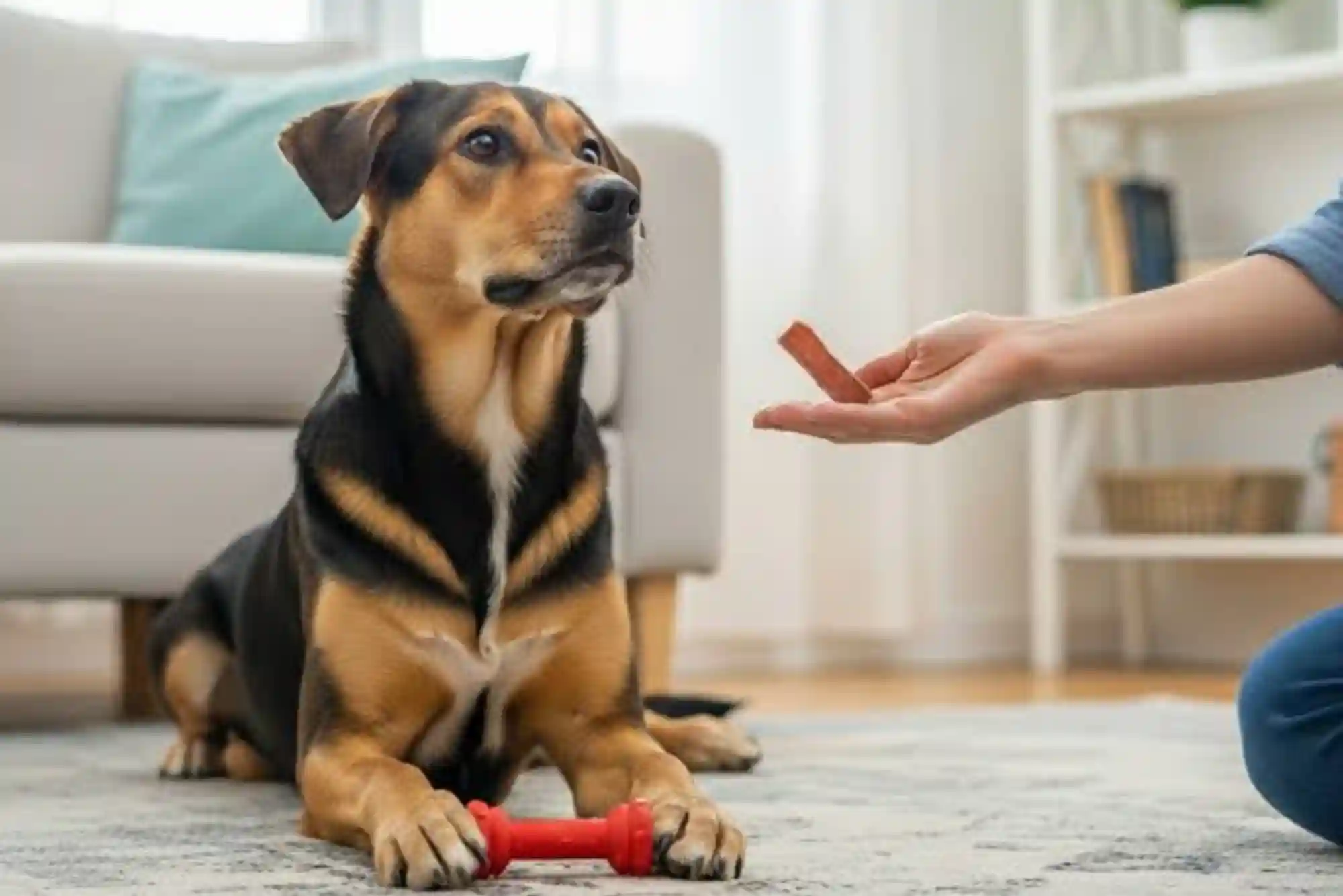
The most effective approach combines appropriate equipment with consistent training. Start somewhere with few distractions and reward your dog whenever the leash remains loose.
Reward Loose-Leash Walking
When your dog walks beside you without tension on the leash, offer a small treat, verbal praise, or another reward your dog values.
Initially, reward frequently. As your dog’s behaviour improves, gradually increase the distance between rewards.
Stop Reinforcing Pulling
If pulling consistently results in reaching another dog, smelling a bush, greeting someone, or moving toward an exciting location, pulling may become self-rewarding.
When safe and practical, pause when the leash becomes tight. Once your dog returns attention to you and the leash loosens, continue walking.
The aim is not to punish the dog for pulling. Instead, the dog learns that a loose leash makes forward movement possible.
Owners looking for additional information on preventing pulling can explore Whole Dog Journal Pulling Prevention.
Common Mistakes When Using Heavy Duty No-Pull Harnesses
Even a well-designed harness can perform poorly when it is used incorrectly.
Buying Based Only on Weight
Two dogs weighing the same amount can have completely different body shapes. Chest width, neck size, torso length, and shoulder structure all affect harness fit.
Measurements are much more useful than weight alone.
Making the Harness Too Tight
A very tight harness is not necessarily safer. Excessive pressure can cause discomfort and potentially interfere with natural movement.
Adjust the harness according to the manufacturer’s instructions and check your dog while standing and walking.
Using Equipment Instead of Training
A no-pull harness is a management tool. It should support training rather than replace it.
If your dog is repeatedly lunging, barking, or attempting to escape, work at a distance where your dog can still respond to you. For severe or persistent behaviour problems, consider guidance from a qualified force-free trainer or veterinary professional.
Ignoring Wear and Tear
Strong pullers place substantial stress on walking equipment. A harness that was reliable six months ago may not be equally reliable after extensive use.
Make equipment inspection part of your normal walking routine.
Are No-Pull Harnesses Safe for Strong Dogs?
A properly fitted, appropriately designed harness can be a useful option for strong dogs. Safety depends heavily on fit, construction, correct use, and the individual dog’s physical needs.
No harness should cause persistent rubbing, restrict normal movement, or create obvious discomfort. If your dog has an existing orthopedic or respiratory concern, ask your veterinarian whether a particular harness style is appropriate.
The goal should always be controlled walking without sacrificing the dog’s ability to move, breathe, and behave normally.
What Should You Look for in the Best Heavy Duty No-Pull Harnesses?
When comparing different models, focus on the entire design rather than marketing claims.
A suitable harness should have durable construction, secure fasteners, dependable leash attachment points, sufficient adjustment, and a shape that works with your dog’s anatomy.
Consider where and how you normally walk. A dog that calmly walks around a quiet neighbourhood may need a different level of management from a dog that regularly encounters traffic, other animals, crowded paths, or highly stimulating environments.
Comfort should remain part of the equation. The strongest harness is not necessarily the best harness if your dog refuses to walk comfortably in it.
Choose Control Without Sacrificing Comfort
Finding the best heavy duty no-pull harnesses for Pitbulls, Boxers, and strong pullers requires more than choosing the toughest-looking product. The right harness should combine durable construction, a secure fit, useful leash attachment points, and enough freedom for natural movement.
Remember that equipment is only one part of the solution. Pair a suitable harness with consistent loose-leash training, reward calm behaviour, and inspect the equipment regularly. If your dog is exceptionally strong, reactive, or difficult to control, professional guidance can make the training process safer and more effective.
Take time to measure your dog correctly, compare harness designs, and choose equipment suited to your dog’s individual body and behaviour. With the right combination of heavy duty no-pull harnesses and patient training, walks can become calmer, safer, and much more enjoyable for both you and your dog.
FAQs
What is the best harness for a dog that pulls hard?
A well-fitted front-clip or dual-clip harness is often a practical choice for a dog that pulls hard because it can provide more directional control than a standard back-clip design. The best option depends on the dog’s body shape, behaviour, and training needs.
Do no-pull harnesses really work?
No-pull harnesses can make pulling easier to manage, particularly when they provide a front attachment point. They work best when combined with loose-leash training and positive reinforcement rather than being treated as a standalone solution.
What harness is best for a Pitbull that pulls?
A durable harness with strong construction, multiple adjustment points, and an appropriate front attachment can be a good option for a Pitbull that pulls. Fit around the chest and shoulders is especially important.
Is a no-pull harness better than a collar for a strong dog?
A harness can provide more control while reducing the need to place leash pressure directly around the neck. However, the ideal walking equipment depends on the individual dog and should be selected for comfort, safety, and control.
Can a strong dog break a heavy-duty harness?
Yes. Heavy-duty equipment is designed for durability, but no harness is guaranteed to be indestructible. Regularly inspect stitching, webbing, buckles, and leash attachment points for damage.
How tight should a no-pull harness be?
It should be secure without being excessively tight. You should generally be able to fit about two fingers between the harness and your dog’s body, while following the manufacturer’s specific fitting instructions.
Related Reading: Can Dogs Eat Apples, Bananas, and Carrots? Fiber Benefits and Choking Hazard Prevention — full guide
Related Reading: المسح الأرضي: أفضل الممارسات